Conventional PA
Dedicated mixer, paging, selector, amplifier and monitoring modules. Strong fit for upgrades where existing 100V infrastructure can be retained and verified.

Amperes · Public Address · Paging · Voice Alarm · Malaysia
PNSS designs, integrates, commissions and supports Amperes PA systems for routine paging, background music and emergency communication—from conventional 100V racks to IP-based and integrated voice-alarm architectures.
System architecture
A reliable PA system is not one amplifier and a set of speakers. Audio sources, priority control, zones, amplification, monitoring, emergency logic and backup power must operate as one defined workflow.
Browse by function
Emergency microphones, message playback and fire-alarm interface functions for routine and critical announcements.
Audio front endPre-amplifier mixing, BGM inputs, priority channels and controlled audio distribution.
Area routingFail-safe zone selection and paging control for multi-zone 100V speaker systems.
100V powerConventional and Class-D amplification with backup and monitoring options.
System supervisionAmplifier monitoring, speaker-line surveillance and standby changeover for higher system resilience.
24V DC supportRegulated DC supplies, battery support and rack power functions for PA control equipment.
Current directionEthernet paging, PMX III management and compact EVM8810/EVS8820 voice-alarm architectures.
Current Amperes technology paths
Dedicated mixer, paging, selector, amplifier and monitoring modules. Strong fit for upgrades where existing 100V infrastructure can be retained and verified.
Amperes iPX architecture transports paging, BGM and control over LAN for distributed racks and multi-building systems.
Central management for network paging, scheduling, zone mapping, monitoring and selected text-to-speech workflows.
Open PNSS PMX III reference →Integrated voice-alarm controllers combine core EVAC, paging, BGM, amplification and zone functions in a compact architecture.
Open PNSS EVM8810 reference →5W1H planning check
BGM, routine paging, emergency paging, prerecorded messages, scheduled playback, monitoring, phased evacuation or a combination.
Security, facility management, reception, fire command centre or multiple paging users with different priorities.
Map buildings, floors, indoor/outdoor areas, critical spaces and rack locations before selecting the zone architecture.
Define normal BGM, routine paging, emergency override and fire-alarm trigger sequences before commissioning.
A silent amplifier or broken speaker circuit may remain unnoticed until an announcement is required. Monitoring improves fault visibility.
Choose conventional 100V, digital control, Ethernet/IP, matrix or hybrid architecture according to scale, redundancy and existing infrastructure.
Project implementation · customer anonymised
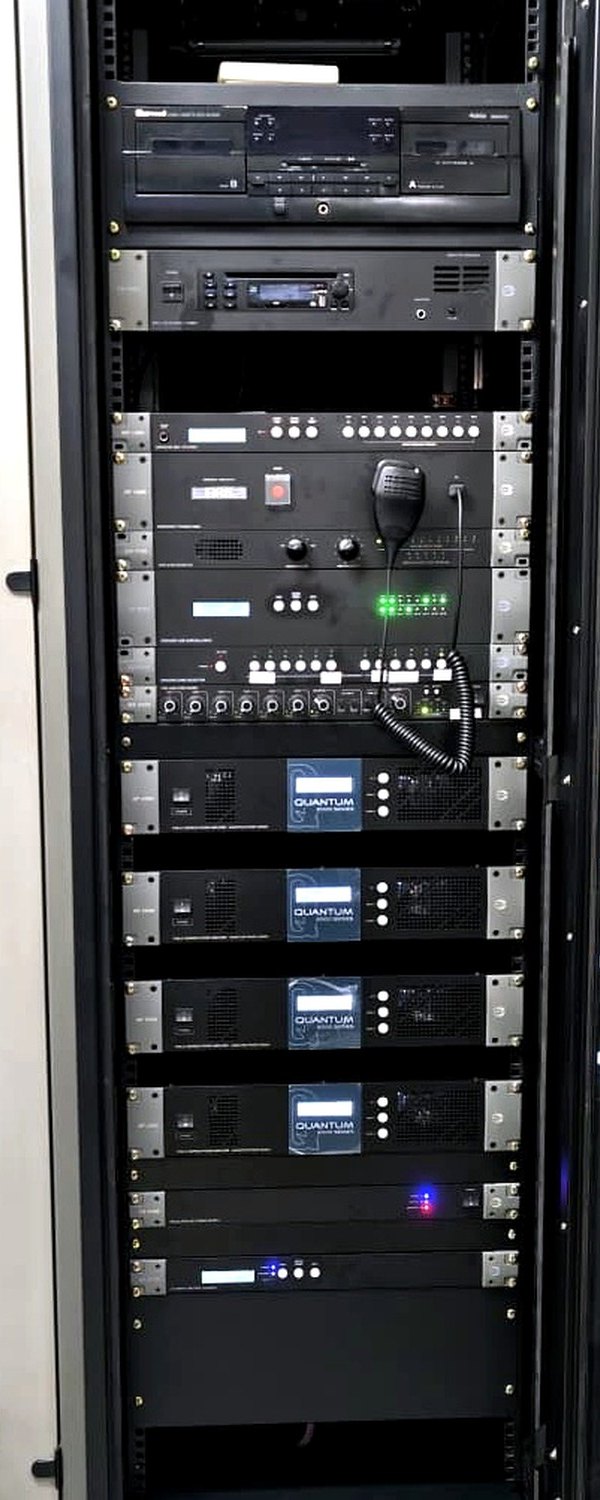
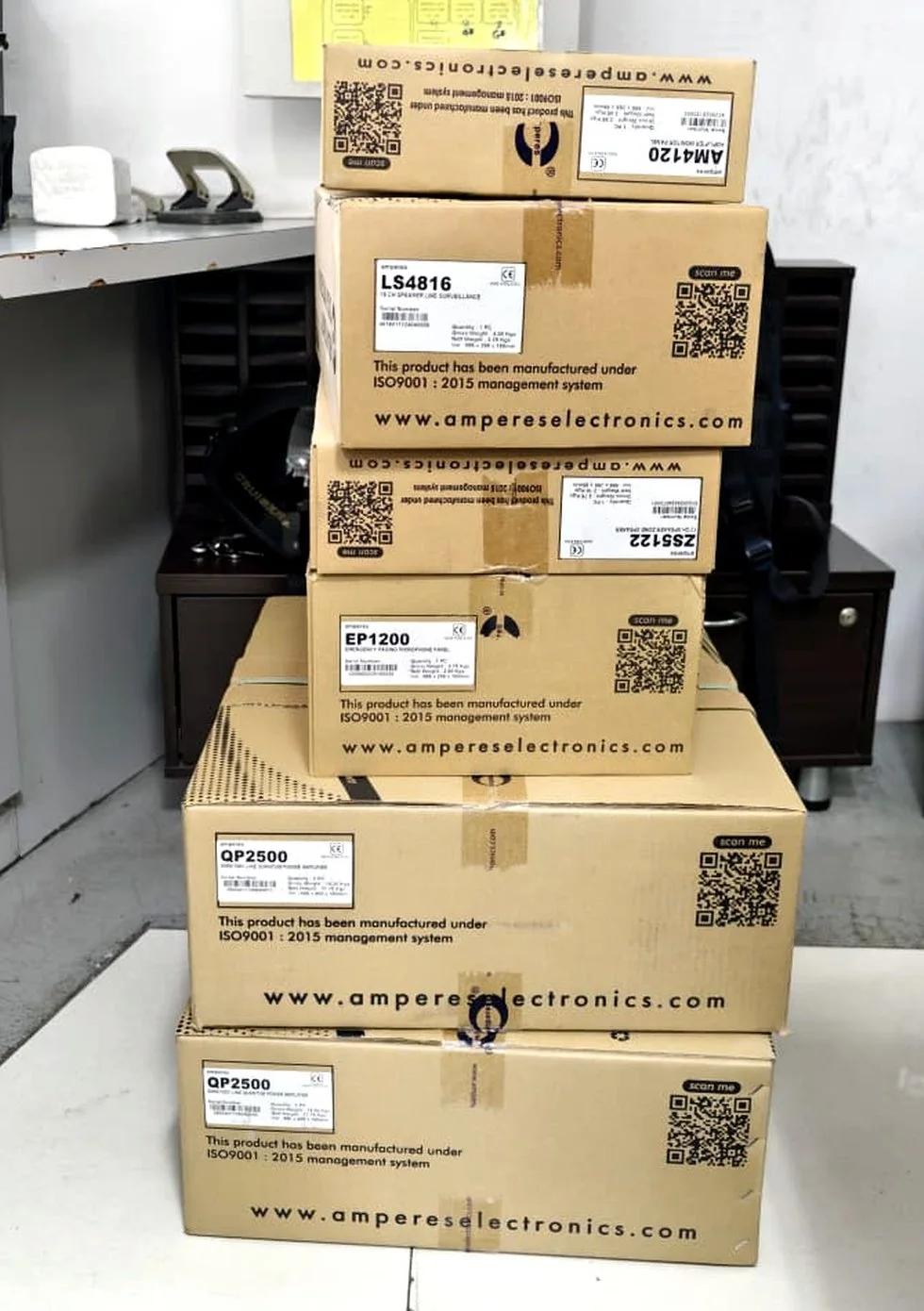
PNSS recently completed a central PA-system replacement and commissioning exercise using a modular Amperes architecture. The public case note intentionally withholds the customer and site name because publication permission has not been obtained.
Replace ageing central PA/voice-alarm rack equipment while retaining serviceable existing speaker infrastructure, restoring dependable paging and emergency-message operation, and improving fault visibility for facilities personnel.
| Model | Qty | System role |
|---|---|---|
| MX2222 | 1 | 12-input pre-amplifier mixer |
| EP1200 | 1 | Emergency paging microphone panel |
| MR1301 MK II | 1 | EVAC message player / recorder |
| ZS5122 | 1 | 12-channel fail-safe speaker zone selector |
| QP2500 | 4 | 500W 100V power amplifiers; 3 duty + 1 standby |
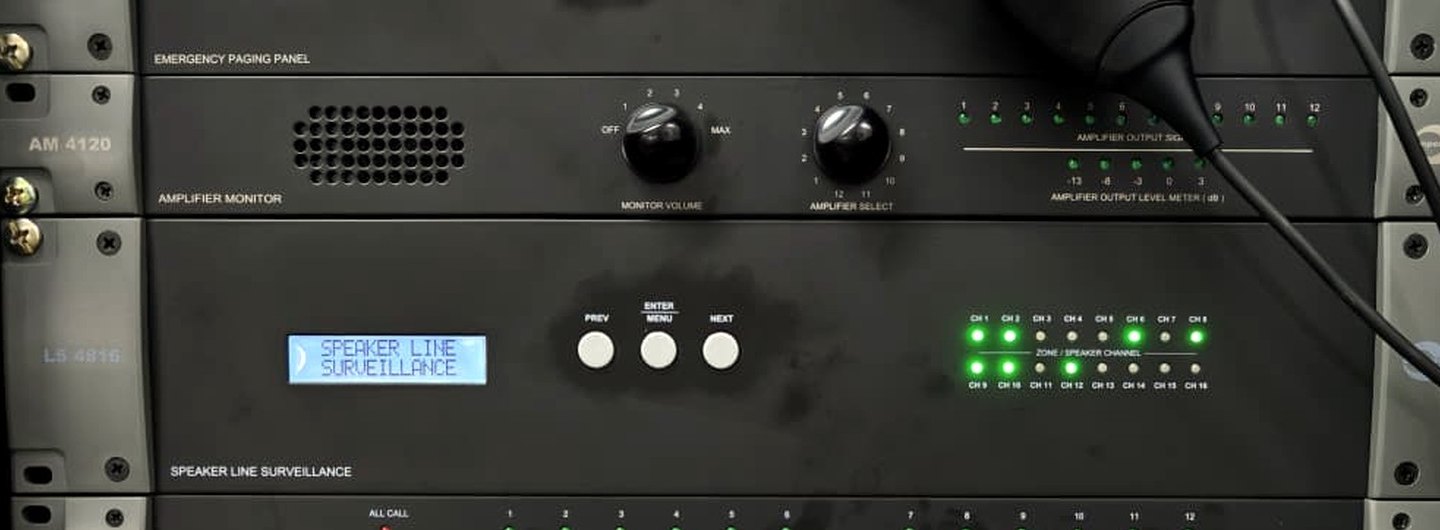
| AM4120 | 1 | 12-channel amplifier monitoring panel |
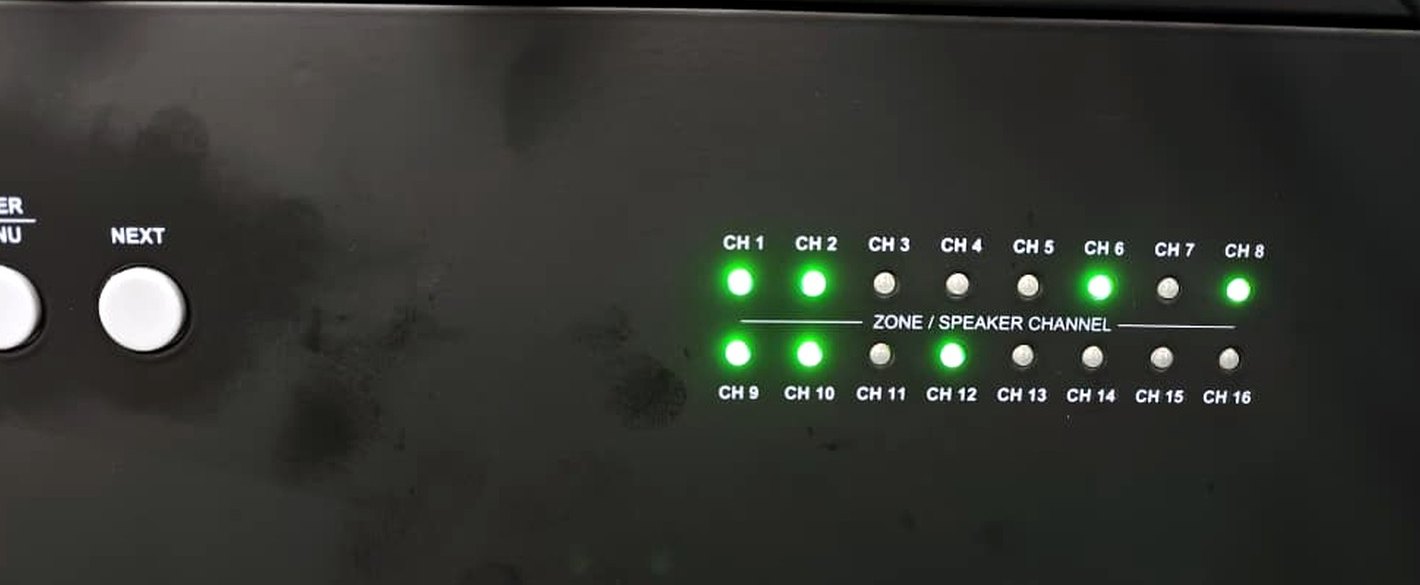
| LS4816 | 1 | 16-channel speaker-line surveillance |
| PS9400 | 1 | 24V DC regulated power supply |
Installation reference · customer anonymised
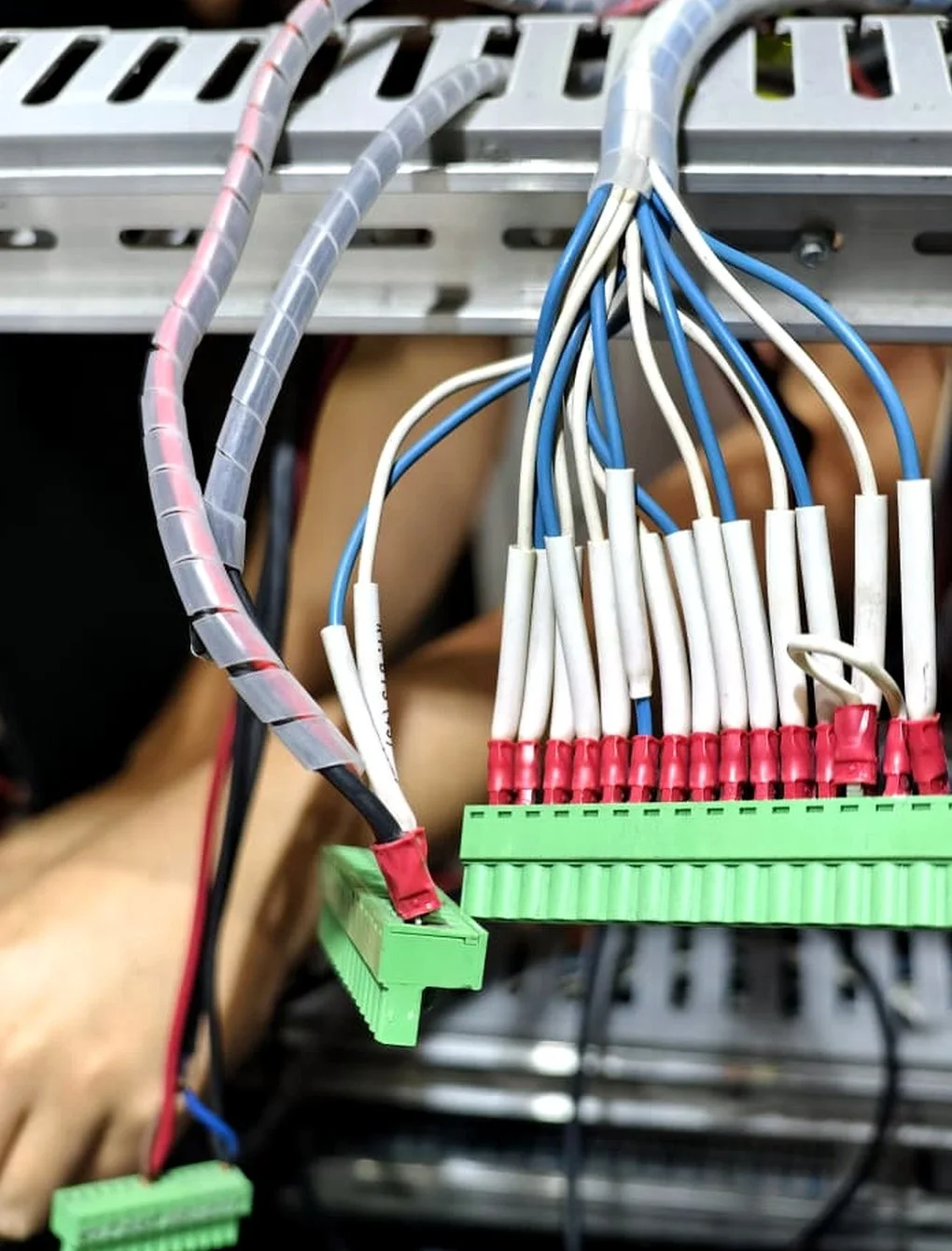
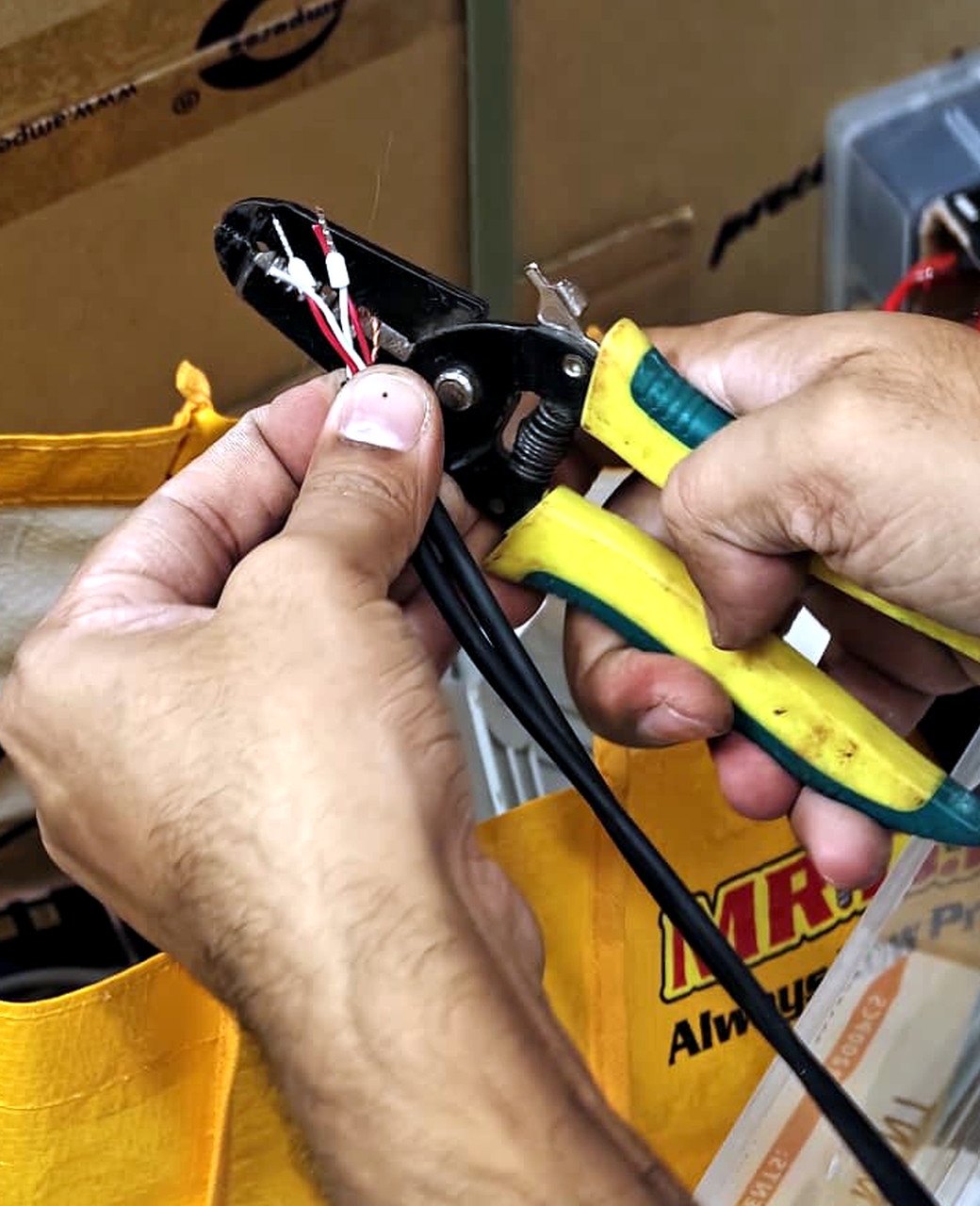
These PNSS site photographs document a completed Malaysian Amperes PA replacement project. Customer and premise identifiers are intentionally excluded from the public website.
Continue exploring
Use the Amperes page for system architecture, then continue into the PA category and design guidance.
Return to the wider audio solution architecture.
Explore →Product LibraryAmperesBrowse Amperes system families.
Explore →Product LibraryPA, Paging & Voice AlarmCompare the broader PA/voice-alarm category.
Explore →GuidePA vs Voice AlarmReview architecture and priority requirements.
Explore →FAQ · AEO reference
A 100V PA system distributes amplified audio over high-voltage loudspeaker lines so many speakers can be connected across buildings and zones with practical cable runs. Loudspeaker tapping, amplifier capacity, zoning and line monitoring still need to be engineered for the project.
Public address is the overall sound-distribution system. Paging is live or scheduled announcement delivery to selected zones. Voice alarm adds emergency-priority functions such as emergency microphones, pre-recorded evacuation messages, fire-alarm interfaces, monitoring and defined cause-and-effect behavior.
Zones let operators send BGM, routine paging or emergency messages only to the required areas. The zone architecture should reflect building use, evacuation strategy, amplifier loading and operational workflow.
Speaker-line monitoring checks 100V circuits for abnormal conditions such as open circuits, short circuits or ground leakage. It helps facilities teams identify faults before an emergency announcement is needed.
A standby amplifier provides redundancy if a duty amplifier fails. The exact changeover method depends on the amplifier and monitoring architecture, but the objective is to preserve critical announcement capability.
Potentially yes. Existing speakers and cabling should first be inspected, tested and checked for loading, condition, zoning and compatibility. Reuse should be based on verified condition rather than assumption.
Yes, suitable Amperes architectures can interface with fire-alarm control signals for emergency sequences and message playback. Final triggers, delays, cause-and-effect logic and authority requirements remain part of the fire-alarm and project-approved design.
Conventional PA keeps most audio routing and control around dedicated rack equipment and 100V distribution. IP PA transports audio, paging and control over Ethernet between network endpoints, which can simplify multi-building expansion and distributed racks. Hybrid systems are also possible.
PNSS project experience includes a modular Amperes system using MX2222 mixing, EP1200 emergency paging, MR1301 MK II message playback, ZS5122 zone selection, QP2500 amplification, AM4120 amplifier monitoring, LS4816 speaker-line surveillance and PS9400 regulated 24V DC power.
Typical work includes requirements analysis, equipment selection, rack integration, installation coordination, zoning and paging logic, testing, commissioning, troubleshooting and lifecycle support. PNSS provides these services for project-based Amperes and related professional-audio systems in Malaysia.
Yes. Amperes Electronics is a Malaysia-based public-address system manufacturer established in 1999, with its sales office and production operation in Puchong, Selangor.
Useful inputs include floor plans, speaker and zone schedules, existing PA equipment, rack locations, paging points, fire-alarm interface requirements, BGM sources, standby-power requirements, network availability and any consultant or authority specifications.
Send PNSS the floor plan, speaker-zone schedule, existing rack information and emergency workflow. We can help define what should be tested before the equipment schedule is finalised.