Item-level RFID
Tags and readers identify library material in circulation and collection work.

Brand-neutral library solution guide
PNSS designs around patron and staff workflows, with suitable current library technology solutions and continued troubleshooting support for legacy or end-of-life 3M Library systems.
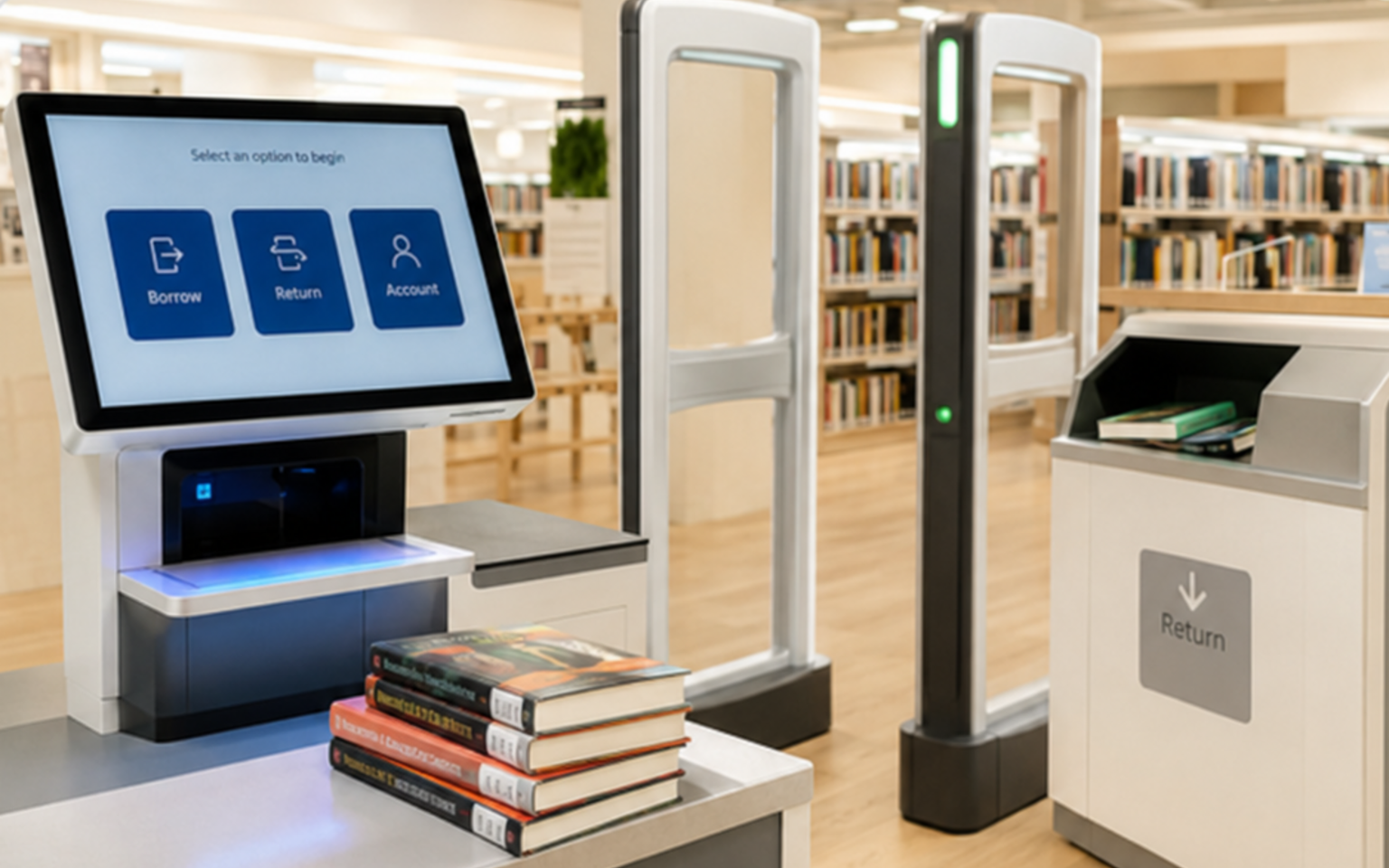
Open solution architecture
PNSS keeps the architecture brand-neutral at the planning stage. Current library RFID, self-service, security and return workflows are selected around LMS/ILS integration, RFID standard, legacy hardware, site layout and service requirements. Legacy 3M Library equipment may still be assessed for repair, troubleshooting, consumables and migration planning.
Tags, staff tools and readers that identify items and support faster circulation and stock workflows.
Tags and readers identify library material in circulation and collection work.
Supports multi-item processing, inventory and compatible self-service.
For new libraries, barcode-to-RFID projects and replacement of ageing equipment.
Processing rooms, counters, shelves, self-service and return areas.
Staff manage the collection while patrons benefit from faster transactions.
PNSS checks tags, encoding, LMS/ILS interface, data mapping and migration.
RFID compatibility is confirmed before tags or equipment are specified.
Discuss library RFID ↗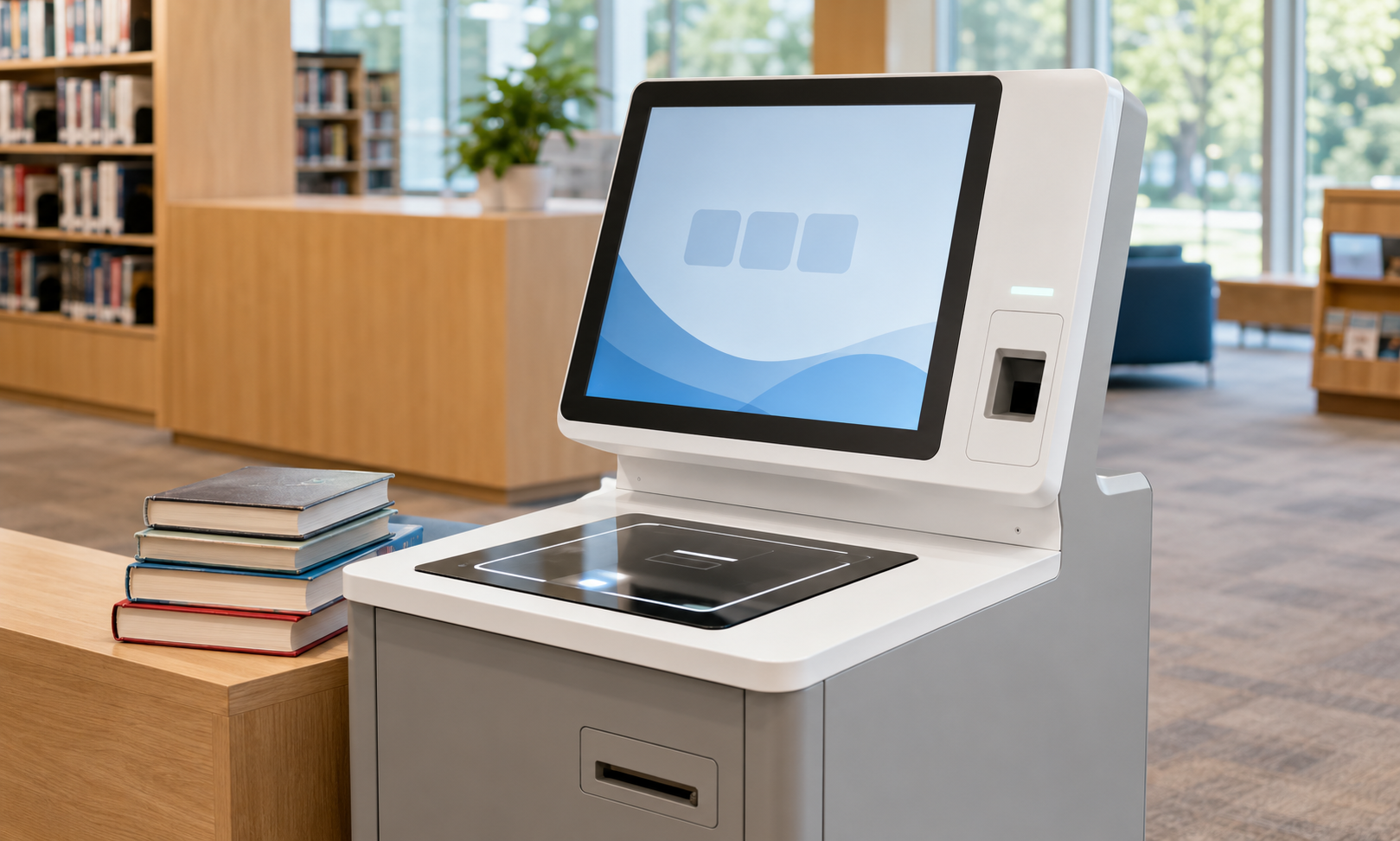
Borrowing, returning, account and payment workflows designed for intuitive patron use.
Kiosks guide approved borrowing and return transactions.
Routine transactions move faster while staff support higher-value needs.
Especially helpful at peak periods and in distributed service areas.
Placed around entrance, circulation or collection flow with suitable power and network.
Interface, height, language and exception handling are planned for users.
PNSS validates authentication, item status, receipts, security and exception paths.
User testing should include normal borrowing and the most common exceptions.
Discuss library self-service ↗
Controlled patron access outside fully staffed hours, coordinated with building safety and library operations.
Eligible patrons enter and use approved services under defined rules.
Increases useful opening time without operating the full staffed model.
Only after safety, support and incident procedures are established.
Access may be limited to designated entrances, collections and facilities.
Rules define registration, age, conduct and suspension conditions.
PNSS coordinates access, monitoring, communication, lighting and incident response.
Extended access is an operational programme, not only a door-access product.
Discuss extended access ↗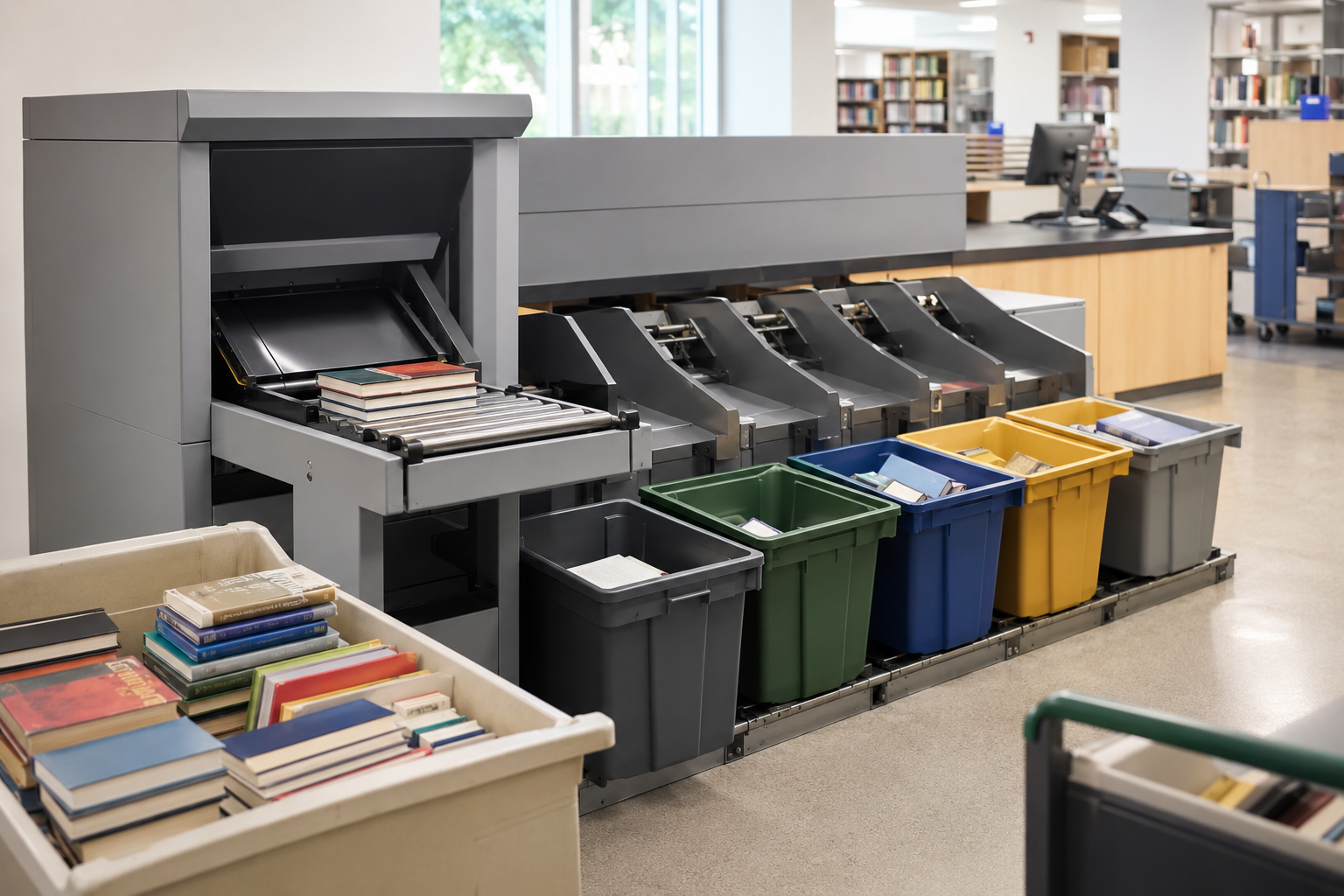
Automated or assisted return workflows that check in items and direct them to useful destinations.
Returned items are identified, updated and directed for shelving or exception handling.
Reduces manual touchpoints and organises staff handling.
Design may support internal, external or 24-hour return.
Floor space, fire path, noise and staff ergonomics affect layout.
Patrons receive transaction feedback while staff manage bins and exceptions.
PNSS reviews peak returns, categories, LMS/ILS updates and material handling.
Sorting level should match actual return volume and staffing—not maximum complexity.
Discuss return and sorting ↗
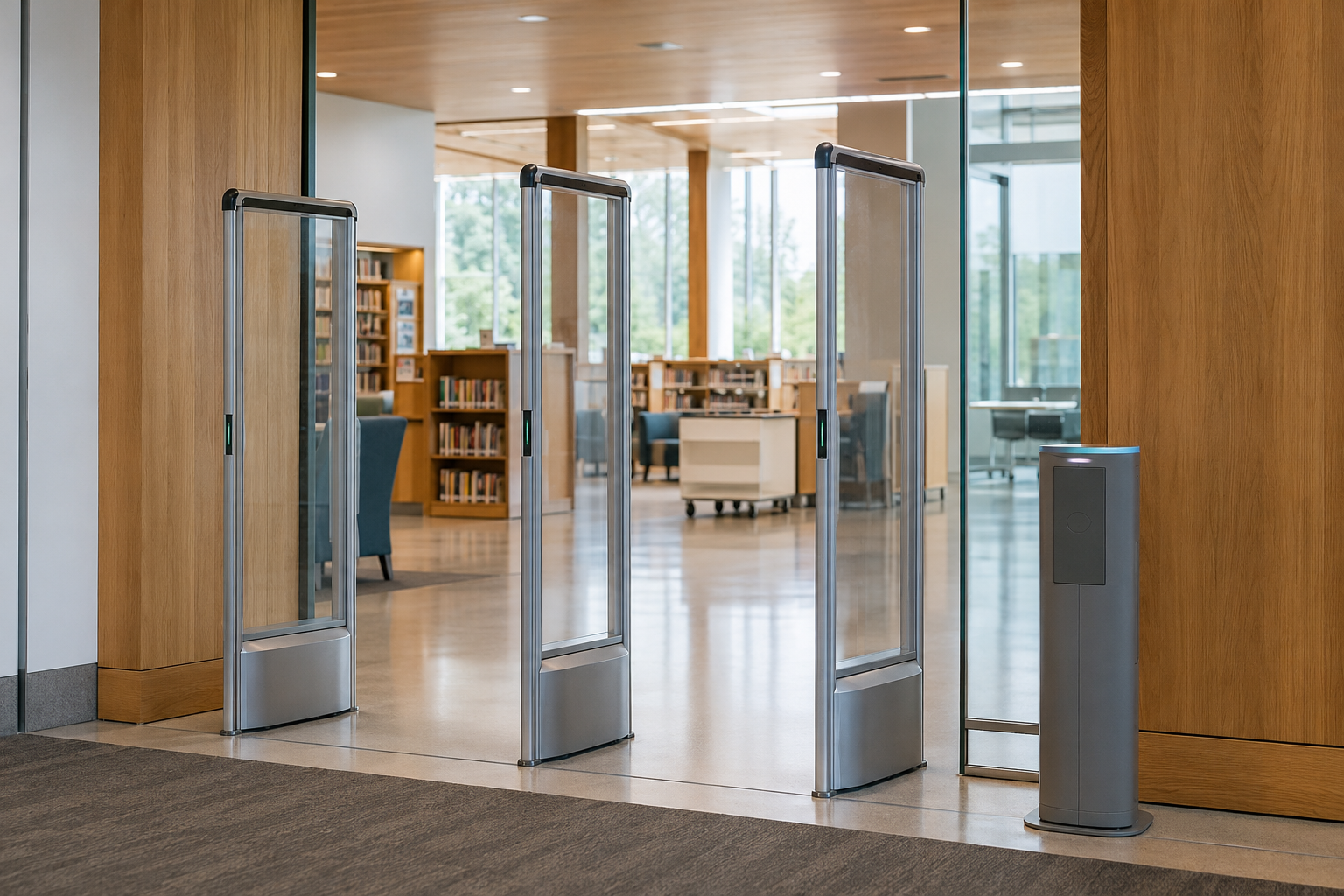
Exit detection and item-status workflows that support collection protection with an appropriate patron response.
Detects items that have not completed the approved circulation workflow.
Provides a visible and operational layer for item security.
Staff response and false-alarm handling should be defined.
Gate geometry, metal, power and adjacent equipment affect performance.
Response procedures should preserve dignity and avoid public confusion.
PNSS tests detection, integration, alarm handling and legacy repair feasibility.
PNSS continues to assess legacy 3M Library equipment for repair and troubleshooting, subject to parts and technical viability.
Request 3M Library support ↗
Digital discovery, recommendation and communication touchpoints that help patrons find and use library services.
Displays and interfaces promote items, events and library support.
Useful content encourages exploration and reduces uncertainty.
At entrance, search, collection and event decision points.
Content may appear on signage, discovery stations or approved online services.
Library teams manage relevance, accessibility and update frequency.
PNSS connects display, platform, template and publishing workflow.
Return-worthy content needs a named owner and an update calendar.
Discuss patron engagement ↗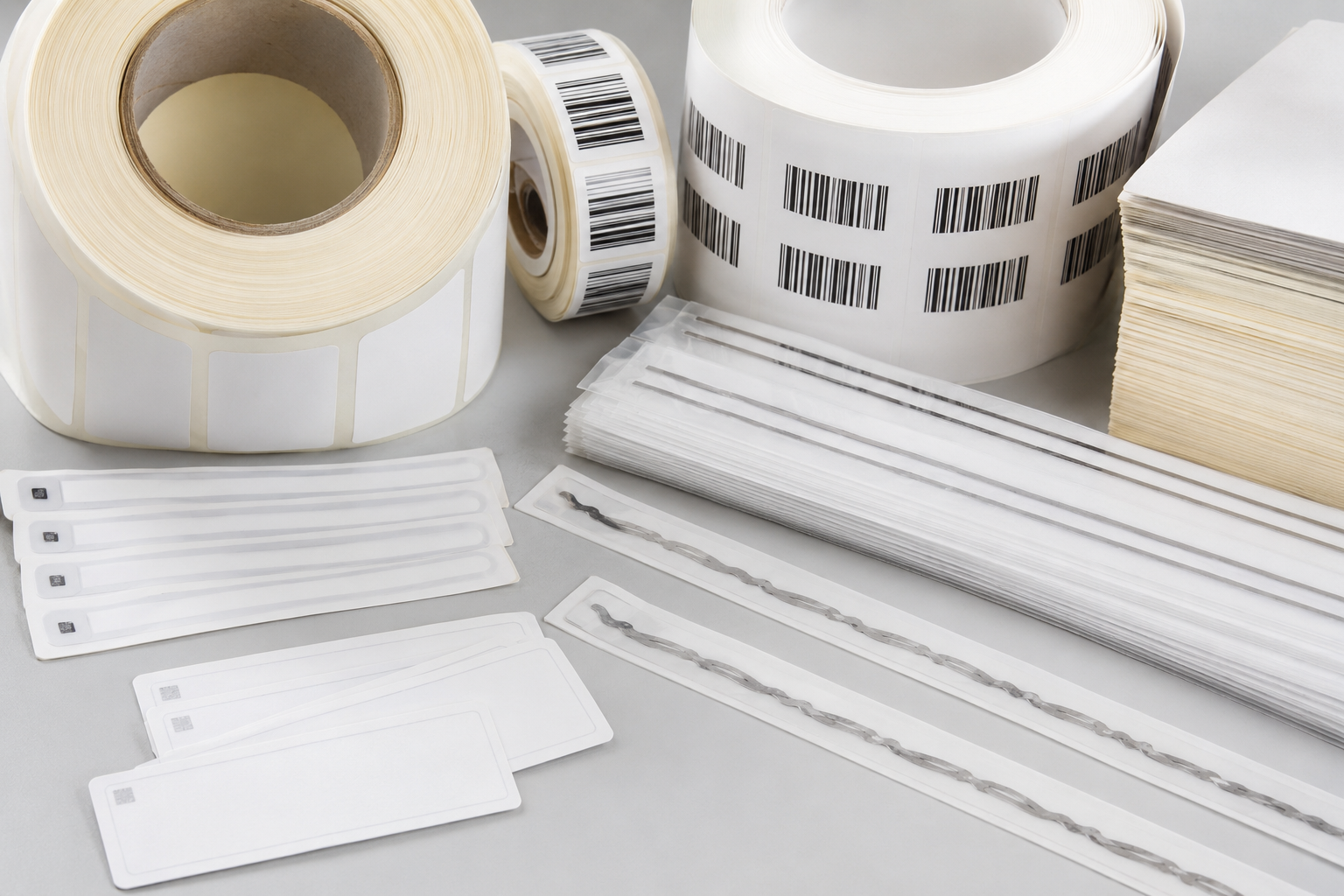
Tags, labels, media protection and operational consumables selected for the installed workflow.
Materials used to prepare, identify, protect and maintain the collection.
Incorrect tags or materials can reduce reliability and staff efficiency.
Replenishment follows acquisition, circulation and service volume.
Stored and applied according to the library’s preparation process.
Staff need clear compatibility and application guidance.
PNSS checks technology, dimensions, encoding and installed equipment.
Supply availability is confirmed against current manufacturer and distribution status.
Enquire about supplies ↗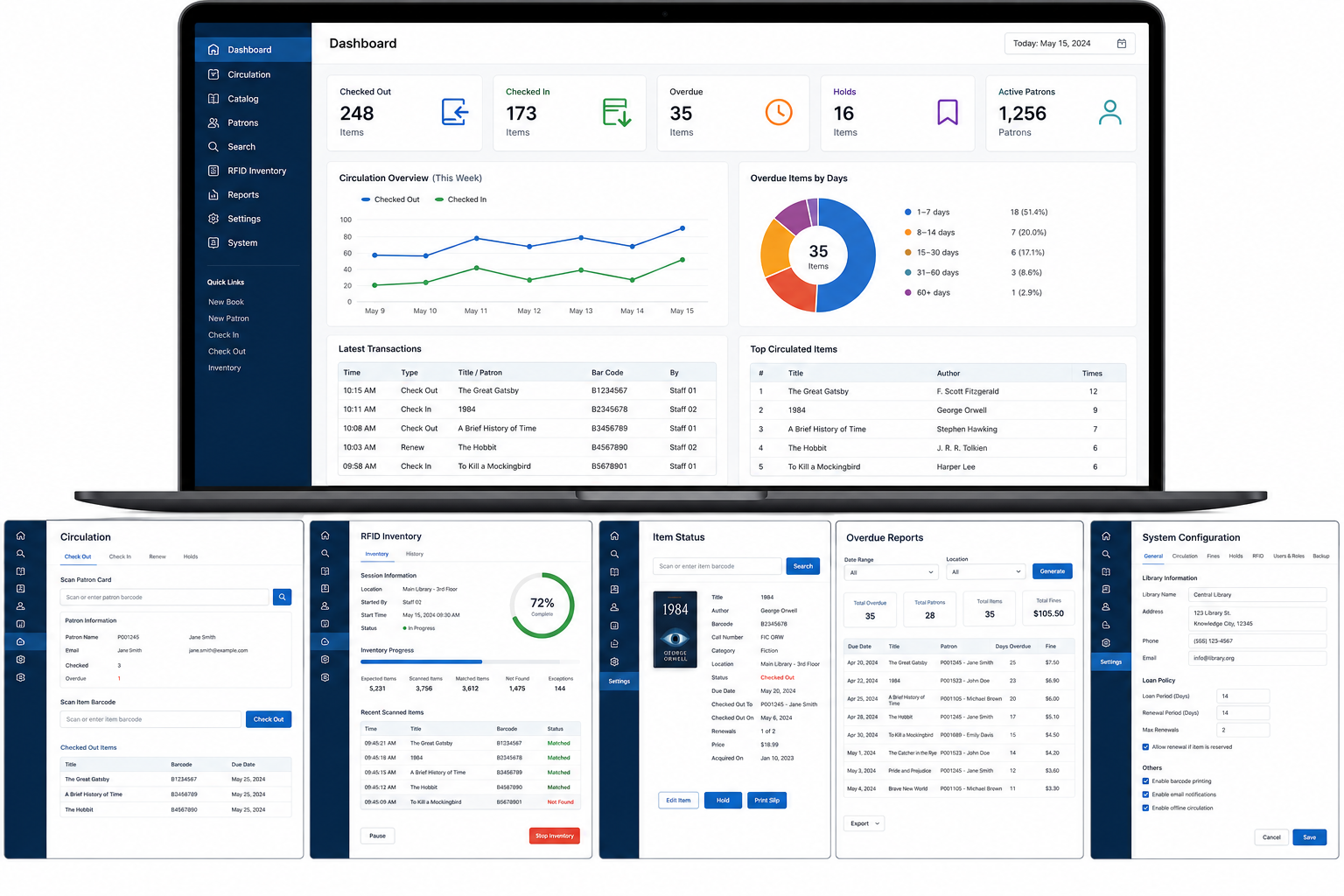
Configuration, monitoring and reporting tools that help staff understand equipment and workflow status.
Tools for configuration, status, reporting and selected remote support.
Better visibility supports faster response and informed maintenance.
Used for routine checks, changes, diagnostics and review.
Access is limited by role, network and security policy.
Responsibilities are divided between workflow owner and IT support.
PNSS configures relevant views, backups, notifications and support access.
Management tools do not replace current operating procedures and trained ownership.
Discuss management tools ↗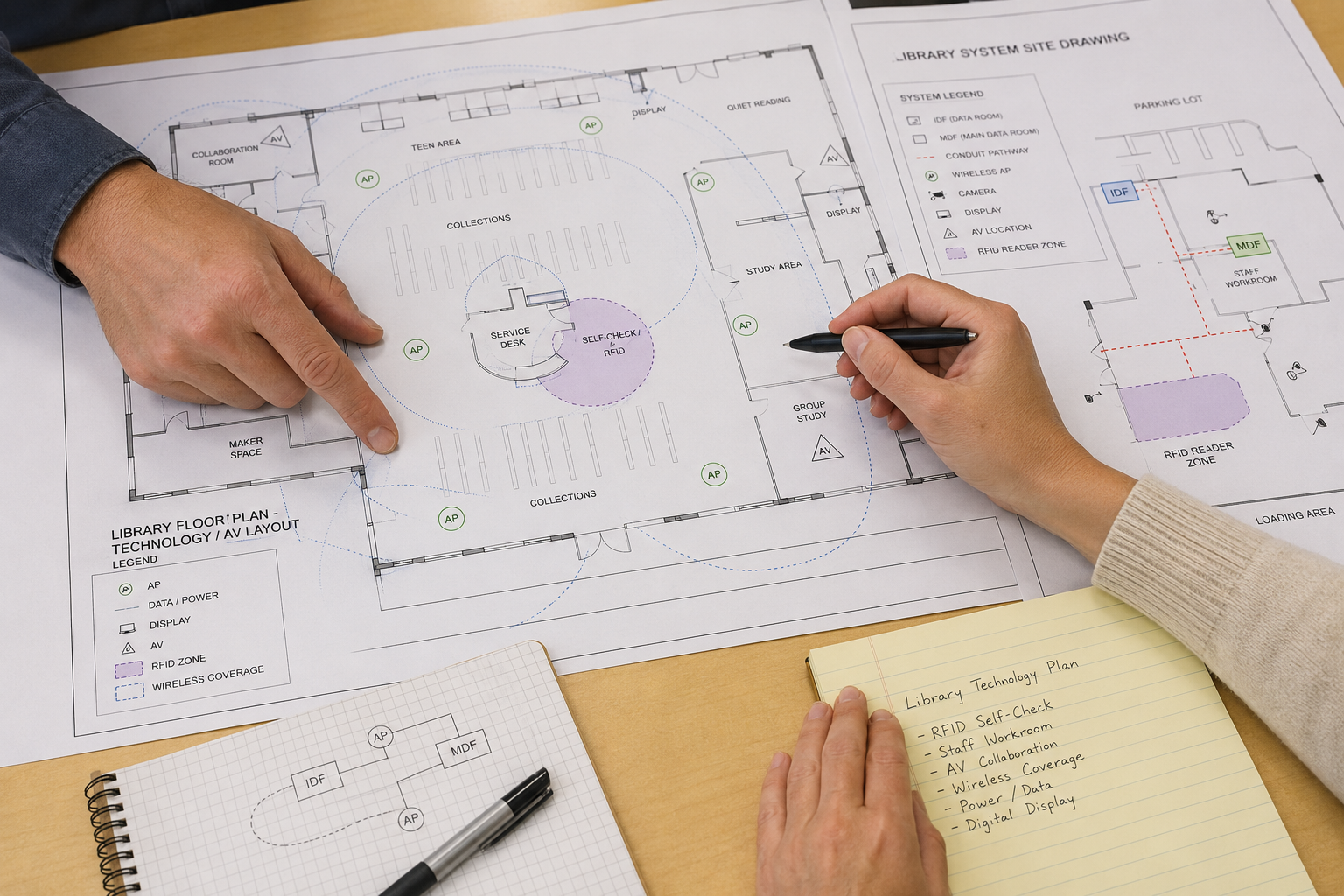
Workflow, technology and lifecycle review before procurement, migration or refurbishment.
Documents current workflows, pain points, systems and target outcomes.
Decisions consider patrons, staff, data, space, maintenance and migration together.
New library, refurbishment, system replacement, RFID migration or service problem.
The review follows the item and patron journey across the library.
Relevant roles define needs, constraints, risks and acceptance criteria.
PNSS produces a practical scope, integration approach and phased next step.
Brand selection follows the approved workflow, compatibility and support requirement.
Request a library review ↗Current and legacy library support
PNSS can review current library RFID, self-service, security and return workflows alongside supportable legacy 3M Library requirements without exposing customer information.